
maximum temperature for pcb board assembly manufacturings
A printed circuit board (PCB) contains a variety of components that can be damaged by high temperatures. These include holes, traces, layers, through holes, and solder masks. When these parts are exposed to excessive heat, they can become distorted or even melt. This can negatively impact the functionality of the finished product. Therefore, engineers and designers need to be aware of the maximum temperature for pcb board assembly manufacturings when working with PCBs.
The maximum temperature for a PCB can vary depending on the type of materials used to make it. The melting point of the solder paste, for example, will affect how much heat it can withstand. The higher the melting point, the faster the PCB will degrade and break down. To avoid this, the design of a PCB should take into account the material properties of each component.
Another factor that determines the maximum temperature a pcb board assembly manufacturing can withstand is its thermal load. The thermal load is the amount of energy that each component in a PCB dissipates. Some materials have optimal thermal properties, which offer reliable resistance to high temperatures. The glass transition temperature (Tg) metric helps identify these materials. For example, standard FR-4 boards can typically withstand high temperatures in the range of 130 to 180 degrees Celsius. However, specialized high-temperature PCBs can handle temperatures significantly higher than this.
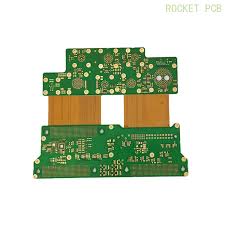
What is the maximum temperature for pcb board assembly manufacturings?
In addition, a PCB’s maximum temperature depends on the type of components used and their sensitivity to heat. For example, integrated circuits and transistors have specific temperature limits beyond which they may malfunction or be permanently damaged. The same is true for other electrical components, such as capacitors and resistors. The exact temperature limit for a particular component can be found in the product data sheet or specifications.
The maximum temperature a PCB can withstand also depends on the type of resin and laminate it uses. The epoxy resin in a standard PCB can withstand high temperatures for short durations, but prolonged exposure to high-temperature conditions can damage the epoxy and cause it to char or warp. The same is true for the copper traces on a PCB.
In order to minimize the risk of a PCB being damaged by high temperatures, manufacturers should start with recommended temperatures and then gradually increase them as they gain experience. They should also take into account factors such as the type of solder used, which demands a specific temperature to ensure proper melting and bonding. Additionally, components with limited temperature tolerances should be placed in the middle or center of the board, where the highest temperature is less likely to affect them.
Before a PCB is assembled, it undergoes a rigorous visual inspection to verify that all layers are complete and free of defects. This is done using a machine that scans the layers and electronically compares them to the original Gerber file. If any errors are detected, the operator can correct them before moving on to the next step.