
When employment ends in Ontario, employees often want to understand the legal framework that determines their compensation. Severance pay Ontario rules are shaped by a combination of provincial legislation and common law principles. These laws are designed to protect workers from sudden financial hardship after termination. By understanding the regulations that govern severance, employees can better evaluate whether the compensation offered by their employer meets the legal standards required in Ontario.
Many people believe severance payments are entirely discretionary, but that is not the case. Ontario has clear laws that set minimum requirements for termination and severance compensation. At the same time, court decisions can expand those rights beyond the minimum standards. Because of this legal structure, Severance pay Ontario entitlements often depend on both statutory regulations and judicial interpretations of fair treatment in employment relationships.
Key Laws That Regulate Severance Pay in Ontario
Employment Standards Act requirements
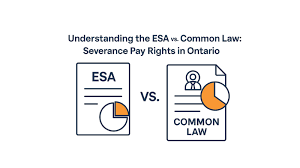
The primary legislation governing Severance pay Ontario obligations is the Employment Standards Act (ESA). This law establishes the minimum rights employees have when their jobs end. Under the ESA, certain workers who have been employed for at least five years may qualify for severance pay if the employer meets specific payroll conditions. The legislation also outlines how severance is calculated, usually based on years of service.
Termination pay versus severance pay
Ontario law distinguishes between termination pay and severance pay. Termination pay refers to compensation provided when an employer does not give sufficient notice before ending employment. Severance pay, on the other hand, is meant to compensate employees for long service and the loss of their job. Understanding this distinction is important because Severance pay Ontario claims may include both termination pay and severance compensation depending on the circumstances.
The role of common law
Beyond the Employment Standards Act, common law decisions from courts significantly influence Severance pay Ontario entitlements. Judges often evaluate factors such as an employee’s age, length of service, job position, and prospects for future employment. These considerations can lead to compensation that is much higher than the minimum standards set by legislation, making legal evaluation essential for many terminated employees.
Employment contracts and workplace policies
Employment agreements also play a role in determining severance obligations. Some contracts contain termination clauses that attempt to limit severance to the ESA minimums. However, courts sometimes find these clauses unenforceable if they violate employment standards or are written improperly. When that happens, employees may be entitled to full common law compensation. Reviewing employment contracts carefully is often necessary to determine the true value of Duty to mitigate damages owed to an employee.
Why legal guidance is valuable
Because severance law involves both legislation and court decisions, many employees find it challenging to interpret their rights alone. Employment lawyers often review termination offers to determine whether the compensation is fair and compliant with legal standards. Resources like htwlaw.ca demonstrate how legal professionals explore a broad range of legal strategies to support employees in resolving workplace disputes and pursuing the compensation they deserve.
Protecting employee rights during termination
Law firms that handle employment disputes typically analyze each case thoroughly to identify every legal option available. Their approach involves reviewing contracts, termination letters, and employment history to ensure employers meet their obligations. By examining all available legal avenues, professionals aim to help employees resolve difficult situations and leave a dispute with financial stability and confidence about their future.
Final thoughts on severance laws
Understanding the laws that govern Severance pay Ontario helps employees make informed decisions when their employment ends. Provincial legislation such as the Employment Standards Act establishes minimum protections, while common law expands those rights in many situations. By learning about these legal frameworks and seeking proper advice when necessary, workers can better protect their interests and ensure they receive the compensation they are legally entitled to after termination.