
What is the Difference Between Flex and Rigid-Flex PCB Fabrication?
Printed Circuit Boards (PCBs) are the backbone of modern electronics, providing the essential connections between electronic components. As technology advances, the demand for more compact, flexible, and durable circuits has led to the development of various types of PCBs. Among the most innovative types are flex PCB and rigid-flex PCB fabrication. These types of PCBs have unique features that make them suitable for different applications in industries like consumer electronics, automotive, and medical devices. In this article, we will explore the key differences between flex and rigid-flex PCBs and how flex PCB fabrication can be advantageous.
What is Flex PCB Fabrication?
Flex PCB fabrication involves the production of PCBs that are flexible and can bend, twist, and fold without compromising the integrity of the circuit. These flexible boards are made from materials such as polyimide or polyester, which provide the necessary flexibility for them to conform to different shapes. The primary advantage of flex pcb fabrication is its ability to save space and reduce the overall weight of electronic devices. Flexible PCBs are commonly used in products where space is limited, such as smartphones, cameras, and wearables.
Flex PCBs are often used for single-layer or multi-layer designs and can be easily customized to fit specific geometries. The flex PCB fabrication process involves printing circuits on a flexible substrate, followed by etching, coating, and adding components to the board. The flexibility of these PCBs also allows for innovative designs, such as folding, rolling, or stretching, which can be critical for modern electronic devices.
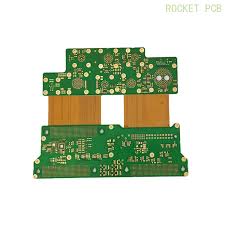
What is Rigid-Flex PCB Fabrication?
Rigid-flex PCBs combine the best features of both rigid and flexible PCBs. Rigid-flex boards incorporate both rigid and flexible sections within the same board. The rigid sections provide structural support, while the flexible areas allow for bending and conforming to different shapes. Rigid-flex PCB fabrication is often used in applications that require the durability of rigid PCBs combined with the versatility of flexible circuits.
This type of PCB is ideal for complex designs that demand both flexibility and strength. It is often used in advanced electronic devices like medical implants, aerospace equipment, and high-end consumer electronics. The fabrication process for rigid-flex PCBs is more complex than for standard flexible PCBs due to the need for integrating rigid layers with flexible ones. The rigid-flex PCB fabrication process includes multiple layers of both rigid and flexible substrates, creating a hybrid board that can endure harsh conditions while maintaining its flexibility where needed.
Key Differences Between Flex and Rigid-Flex PCB Fabrication
Design Flexibility: One of the main differences is the level of flexibility. Flex PCB fabrication focuses purely on creating boards that can bend or fold, while rigid-flex PCBs combine both rigid and flexible areas for more complex design requirements. Rigid-flex PCBs are ideal for applications that need a combination of flexibility and strength.
Applications: Flex PCB fabrication is commonly used in devices that require compactness and flexibility, such as smartphones and wearable devices. On the other hand, rigid-flex PCBs are used in high-performance applications like aerospace, military, and medical devices, where both structural integrity and flexibility are crucial.
Complexity and Cost: The fabrication of rigid-flex PCBs is more complex and expensive than that of flexible PCBs due to the integration of both rigid and flexible layers. This makes rigid-flex PCBs more costly but suitable for high-end applications. Durability: Rigid-flex PCBs tend to offer higher durability, as they combine the strength of rigid boards with the flexibility of flexible circuits. In contrast, flex PCB fabrication focuses mainly on flexibility and might not be as robust in demanding environments.
Conclusion
Both flex and rigid-flex PCBs offer distinct advantages depending on the needs of the application. Flex PCB fabrication is perfect for designs where flexibility, lightness, and space-saving are key, while rigid-flex PCBs are better suited for applications requiring both strength and flexibility in a single, durable package. Understanding the differences between these two types of PCBs will help manufacturers choose the right option for their specific needs and ensure the success of their electronic devices.