
optimize power distribution in pcb and pcbas
Power distribution is a critical aspect of printed circuit board (PCB) and printed circuit board assembly (PCBA) design, significantly impacting the performance, efficiency, and reliability of electronic devices. Effectively managing power distribution involves careful planning, layout optimization, and adherence to best practices to ensure consistent power delivery to all components. In this article, we explore various strategies for optimizing power distribution in pcb and pcba.
One of the fundamental considerations in power distribution optimization is the proper placement of power and ground planes within the PCB layout. Ground planes act as a reference point for signal return paths and provide a low-impedance path for current flow, reducing electromagnetic interference (EMI) and improving signal integrity. By strategically positioning power and ground planes, designers can minimize voltage drops and impedance mismatches, thus optimizing power distribution throughout the board.
Furthermore, the routing of power traces plays a crucial role in minimizing resistance, inductance, and capacitance, which can affect power delivery efficiency. High-current paths should be designed with wider traces to reduce resistance and minimize voltage drops, especially in areas with dense component placement or high-power consumption. Additionally, utilizing multiple vias and placing them strategically can help reduce inductance and enhance current carrying capacity, ensuring reliable power distribution across the PCB.
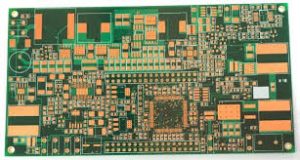
How do you optimize power distribution in pcb and pcbas?
Another important aspect of optimizing power distribution is the selection of appropriate components, such as voltage regulators, decoupling capacitors, and power distribution networks (PDNs). Voltage regulators regulate the voltage levels supplied to different components, ensuring stable and consistent power delivery. Decoupling capacitors are placed strategically near power pins of integrated circuits to absorb high-frequency noise and provide transient current during switching events, thereby stabilizing the power supply.
Moreover, designing a robust power distribution network (PDN) involves analyzing impedance profiles, identifying potential voltage drops, and mitigating power integrity issues. Advanced simulation tools, such as field solver software, enable designers to model and analyze PDN performance under various operating conditions, allowing for preemptive optimization and refinement of the power delivery system.
Thermal management also plays a crucial role in optimizing power distribution, as excessive heat can degrade component performance and reliability. Proper placement of heat-generating components, such as voltage regulators and power amplifiers, along with effective heat dissipation mechanisms, such as heat sinks and thermal vias, helps maintain optimal operating temperatures and ensures consistent power delivery.
Additionally, employing intelligent power management techniques, such as dynamic voltage scaling and power gating, can further enhance power distribution efficiency by dynamically adjusting voltage levels and selectively shutting down power to inactive components or subsystems. These techniques not only reduce power consumption but also minimize thermal stress and prolong battery life in portable devices.
Furthermore, conducting thorough design reviews and prototype testing is essential for identifying and addressing potential power distribution issues early in the development process. Collaborative efforts between electrical engineers, mechanical engineers, and PCB designers can help optimize power distribution while considering factors such as component placement, thermal management, and signal integrity.
In conclusion, optimizing power distribution in PCBs and PCBAs requires a holistic approach that encompasses layout optimization, component selection, thermal management, and advanced simulation techniques. By implementing best practices and leveraging innovative technologies, designers can ensure reliable power delivery, improve energy efficiency, and enhance the overall performance and reliability of electronic devices. As electronic systems continue to evolve, the importance of effective power distribution optimization will remain paramount in meeting the demands of modern technology.