
As the United States approaches its 250th anniversary in 2026, we find ourselves at a pivotal crossroads in the national conversation about identity, memory, and who gets to tell our story. This momentous semiquincentennial coincides with the centennial of Negro History Week, which became Black History Month in 1976. We are also approaching the 60th anniversary of the Voting Rights Act. All are powerful reminders that the story of America is complex, multifaceted, and still unfolding.
Celebrating 250 years of nationhood and the centennial of Black history being formally commemorated in America is a profound reminder of how far we’ve come in recognizing and institutionalizing the celebration of African American contributions to our national narrative.
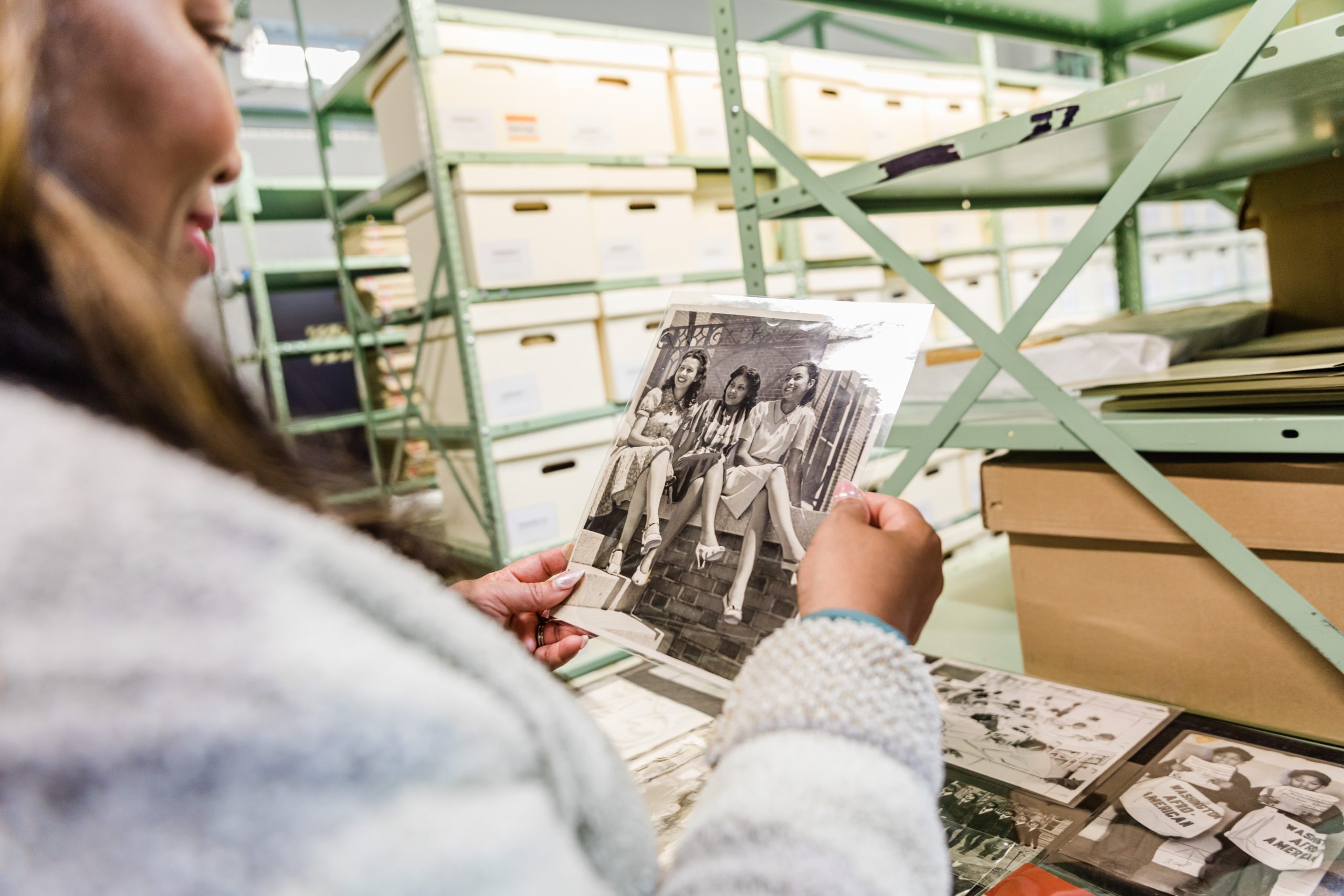
At the heart of that unfolding narrative are America’s museums. Often regarded as the most trusted sources of public information — more than the media or the government, according to a 2021 American Alliance of Museums study — museums are guardians of truth. They preserve our collective memory through the stewardship of artifacts, oral histories, documents, and traditions. And yet, even these institutions are under threat.
There is a growing movement in parts of the United States to suppress or eliminate uncomfortable truths from the historical record — to remove exhibitions, rewrite narrative, or discourage programming that fully reflects America’s diversity. These efforts should concern us all. Attempts to erase the contributions of African Americans from museum galleries are not just an attack on Black history; they are a warning sign that any community’s stories can be next.
Erasure of history is a threat to all of us.
The Association of African American Museums (AAAM) was founded nearly 50 years ago precisely to address these kinds of injustices — to advocate for the preservation, celebration, and interpretation of Black stories, spaces, and institutions. That mission is as vital today as it was in 1978. Our member museums work on the frontlines to ensure that the full American story is told, not just the comfortable parts.
Let me be clear: interpreting culturally diverse stories and artifacts is not what divides us. What divides us is the omission of those stories under the pretense of neutrality. Teaching American history without the full truth is what creates division. Museums do not create division by presenting facts; they build understanding. They create space for dialogue, healing, and recognition.
This is why our support for leaders like Secretary Lonnie G. Bunch III at the Smithsonian Institution remains unwavering. As the first African American Secretary of the Smithsonian and a champion of inclusive storytelling, Secretary Bunch understands what is at stake. His leadership and his commitment to succession planning that protects diversity and equity within the institution is a model for what responsible stewardship of public memory looks like.
Museums are more than buildings; they are public trust institutions. And that trust is built on a promise to preserve the richness of our past with accuracy, complexity, and care. The American story includes joy and pain, triumph and injustice, brilliance and resilience. It includes Indigenous nations, enslaved Africans, immigrants, and everyday Americans who built and shaped this country in ways both visible and unseen.

Removing African American stories from this tapestry doesn’t just harm Black communities — it impoverishes our understanding of the nation as a whole. If we want future generations to appreciate the weight and worth of America’s 250-year journey, we must ensure that museums are empowered to tell the whole story — not a version that soothes but one that educates and challenges.
AAAM has been, and will remain, at the forefront of that effort. For over four decades, we have advocated for the inclusion and protection of African-derived histories. We have honored the legacies of our trailblazers, empowered our member institutions, and equipped museum professionals with the tools to adapt, resist, and lead. And we are not alone. Across this country, millions of people visit cultural institutions each year looking for answers, truth, and connection. We owe it to them — and to ourselves — to deliver.
Black history will endure. It existed before there were laws protecting it, and it will exist even if those protections are challenged. As long as there are people committed to memory, museums committed to justice, and organizations like AAAM committed to preservation, the stories of African Americans will never be erased.
On the cusp of America 250, let us renew our dedication to the full American story. Let us recognize that preserving history is not a passive act; it is an act of civic courage. And let us make clear that the role of museums is not to protect us from history, but to prepare us for the future.
Anything less is not just incomplete. It is dishonest. And in this moment, honesty is patriotism.