
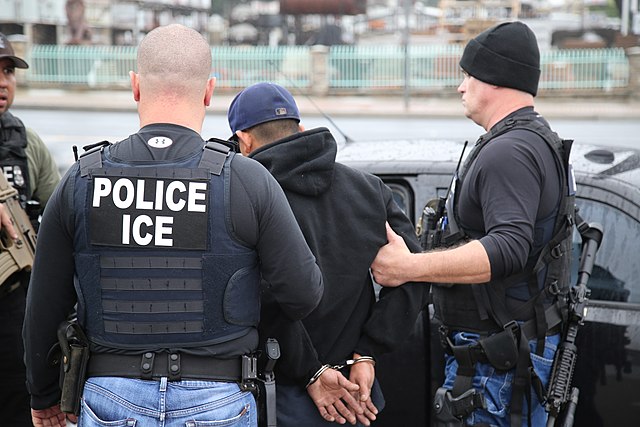
US immigration policy has always been a contentious topic, both domestically and internationally. Recent changes, particularly concerning deportation practices, are fueling existing fires, creating friction with other nations and raising concerns about human rights and international relations. But how significant are these changes, and what are the concrete repercussions for countries on the receiving end?
Understanding Current US Immigration Policy Changes: A Shift in Focus
The current US immigration policy reflects a more stringent approach to enforcement, prioritising the deportation of individuals with criminal records, even for relatively minor offences. While past administrations also focused on deporting criminals, the scope has broadened. There’s a greater emphasis on identifying and deporting individuals who have overstayed their visas or violated immigration laws, regardless of their contribution to society or ties to the US. Concerns about national security, public safety, and the rule of law drive this shift.
The practical outcome of these changes is increased deportations, particularly of individuals who have lived in the US for many years, built families, and established businesses. This is not just a shift in numbers, but a change in the profile of those being deported.
Deportation Policies and Their Immediate Impact on Foreign Nationals
The immediate impact of US deportation policies falls squarely on the individuals being deported and their families. Imagine being uprooted from your life, separated from your loved ones, and sent to a country you may barely remember or have never even visited. This is the reality for thousands each year.
Beyond the personal tragedies, the legal process is often criticised for lacking due process. Deportation hearings can be complex and expedited, leaving individuals with limited time to find legal representation and present their case. While those accused of more serious crimes have more due process, some deported for immigration violations have a challenging time mounting a defence.
The Ripple Effect: How Deportation Policies Fuel Friction
The US government views deportation as a tool to maintain law and order, but other nations often perceive it differently. Countries receiving large numbers of deportees may struggle to provide adequate social services, housing, and employment opportunities. This strain on resources can lead to resentment and diplomatic tensions.
Furthermore, the US sometimes deports individuals who have committed crimes in the US but are citizens of other countries. These individuals may lack ties to their country of citizenship and may pose a risk to public safety there. This practice is a frequent point of contention.
Case Studies: Examining Specific Instances of Diplomatic Fallout
Consider the cases of Nigeria and Ghana. While precise, publicly available figures are often difficult to obtain, estimates suggest that the US deports hundreds of individuals to each country annually. In the early 2020s, tensions flared when the US threatened visa restrictions against both Nigeria and Ghana, accusing them of not accepting their citizens being deported from the US quickly enough.
What’s behind these deportations? While official data is fragmented, it’s known that deportees include individuals convicted of crimes ranging from drug offences and theft to more serious violent crimes. However, a significant portion also consists of those who overstayed their visas or had minor immigration infractions.
Nigeria has voiced concerns about the lack of transparency and due process in some deportation cases. They have also raised concerns about the reintegration challenges faced by deportees, who often arrive with limited resources and support networks. Stories abound of deportees facing stigma, unemployment, and difficulty accessing basic services.
The legal processes involved in these deportations vary. Those with criminal convictions typically undergo a judicial process, although concerns remain about the quality of legal representation and the fairness of plea bargains. Individuals deported for immigration violations often face faster administrative proceedings that may offer less opportunity for appeal.
The costs associated with these deportations are significant. The cost of a single deportation flight, including security personnel and logistical support, can run into hundreds of thousands of dollars. US taxpayers bear this financial burden.
Economic and Social Implications Abroad: Deportation’s Broader Reach
Individuals’ deportation can have significant economic and social consequences in their home countries. Remittances sent by immigrants working in the US are a vital source of income for many families in developing countries. When these individuals are deported, it disrupts these financial flows, impacting household incomes and economic stability.
Moreover, the sudden influx of deportees can strain social services and increase job competition. In countries with high unemployment rates, deportees may struggle to find work, leading to increased poverty and social unrest. The potential for increased crime rates is also a concern, although studies on this topic have yielded mixed results. Some research suggests that deportations can lead to a temporary spike in crime in certain areas, while other studies find no significant impact.
Reintegration support for deportees is often limited or non-existent. While some NGOs and international organisations assist, the demand far outstrips the available resources. Deportees frequently face challenges in accessing housing, employment, and healthcare, making it difficult for them to rebuild their lives.
Navigating the Future: Potential Solutions for Mitigating Foreign Affairs Tension
Addressing the friction caused by US deportation policies requires a multifaceted approach. Improved communication and cooperation between the US and other countries are essential. This includes sharing information about deportation cases, aiding reintegration efforts, and addressing concerns about due process.
Exploring alternatives to detention and deportation for low-level offenders could also help to reduce the number of deportations and ease tensions with other countries. Community-based programs, electronic monitoring, and conditional release could be viable options in some instances.
Finally, addressing the root causes of migration, such as poverty, violence, and lack of opportunity, is crucial for creating a more sustainable and humane immigration system. By investing in economic development and promoting stability in developing countries, the US can reduce the incentives for people to migrate illegally in the first place. This would, in turn, lessen the need for deportations and improve relations with countries worldwide.