
“This post contains affiliate links, and I will be compensated if you make a purchase after clicking on my links.”
At DogingtonPost, we’re committed to bringing you the latest African wild dog news. These endangered canines face numerous challenges in the wild, from habitat loss to human conflict.
Conservation efforts are ongoing, but the fight to protect these unique animals is far from over. In this post, we’ll explore the current status of African wild dog populations and the innovative strategies being used to ensure their survival.
African Wild Dog Population Status
Current Numbers and Distribution
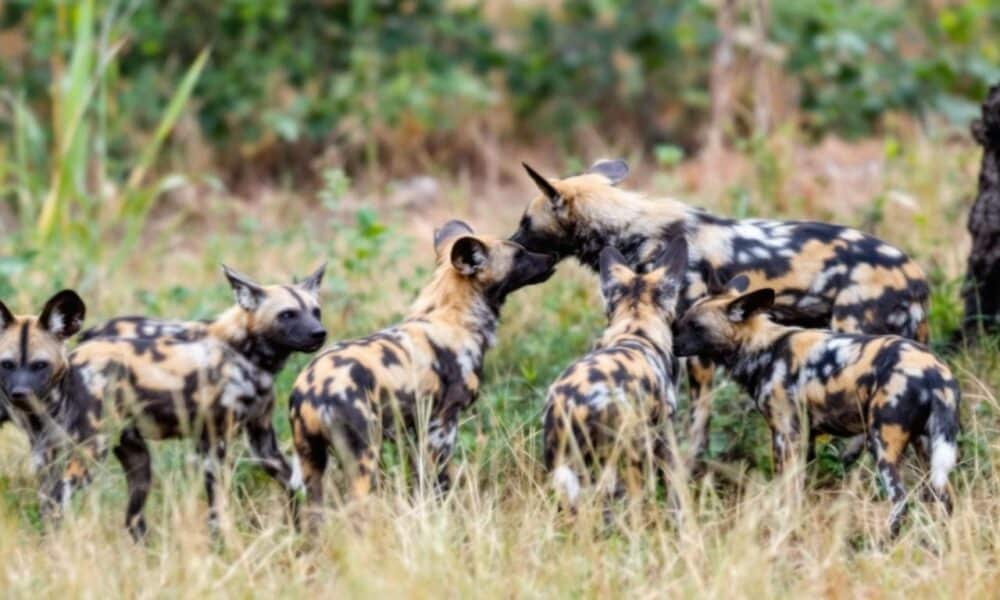
African wild dogs, also known as painted wolves, face a critical situation across Africa. Historically destroyed as “problem animals” because of conflicts with livestock, their populations have long been declining. This emphasizes the need for immediate conservation action.
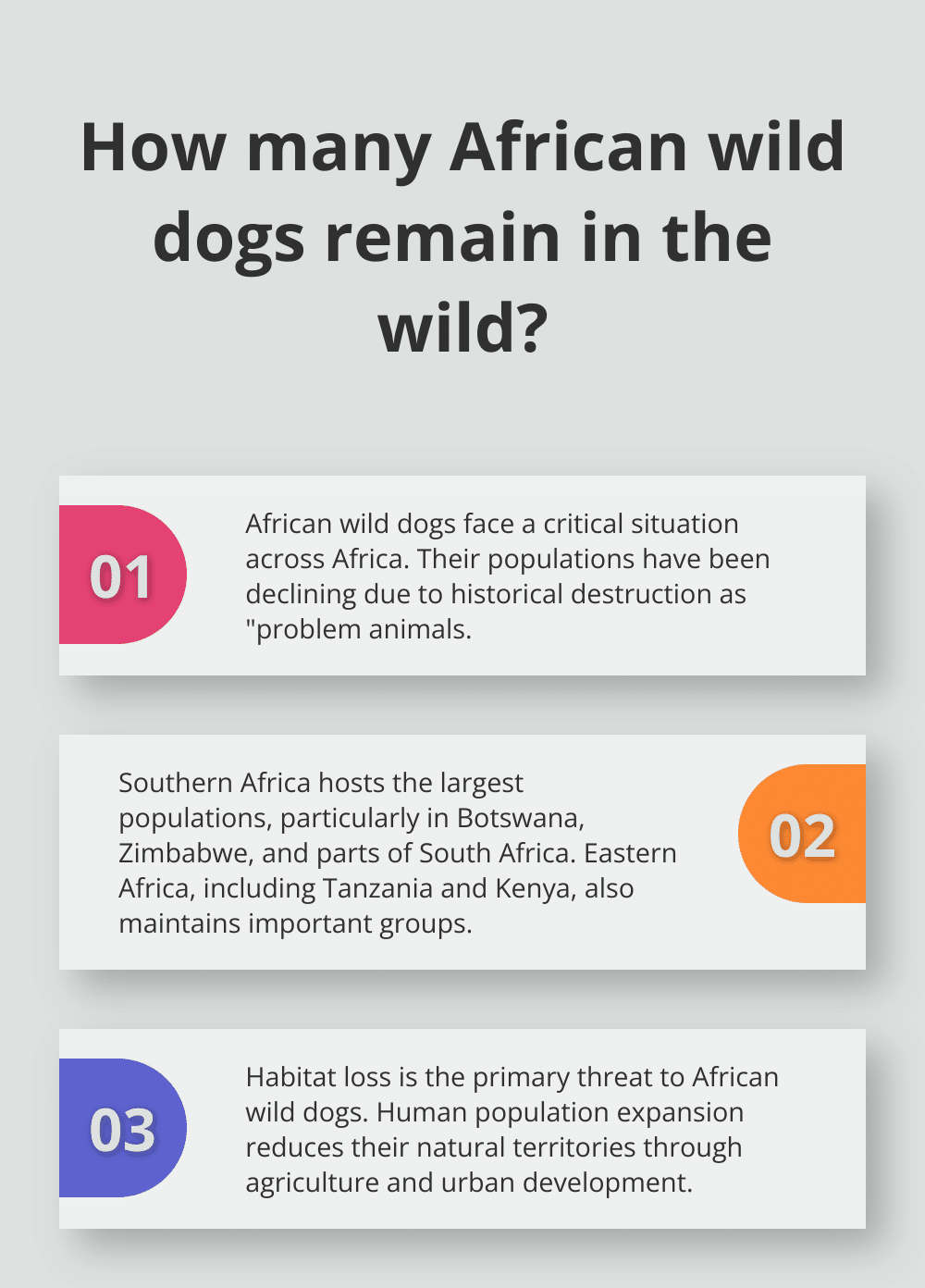
The distribution of African wild dogs spans fragmented areas across sub-Saharan Africa. Southern Africa (particularly Botswana, Zimbabwe, and parts of South Africa) hosts the largest populations. Eastern Africa, including Tanzania and Kenya, also maintains important groups. However, West and Central Africa have experienced a dramatic population plummet, with only small, isolated groups remaining.
Major Threats to Survival
Habitat loss stands as the primary threat to African wild dogs. Human population expansion reduces their natural territories through agriculture and urban development. This loss not only shrinks their hunting grounds but also increases conflicts with humans and livestock.
Snaring poses another significant danger. Snares are not as effective at killing as they are at catching animals. Often, they inflict brutal and horrific injuries that mean agonizing, unending pain for the animals caught in them.
Recent Population Trends
Despite the overall decline, some areas show signs of hope. In certain protected regions, wild dog populations have increased. For example, Kruger National Park in South Africa has witnessed a steady rise in wild dog numbers over the past decade, thanks to intensive conservation efforts.
However, the situation remains precarious. Disease outbreaks, particularly canine distemper, have caused sudden population crashes in some areas. In 2021, an outbreak in Laikipia, Kenya, eliminated several packs, underscoring the vulnerability of these social canines to infectious diseases.
The Road Ahead
The future of African wild dogs hangs in the balance. Their survival depends on continued conservation efforts, expansion of protected areas, and innovative solutions to human-wildlife conflict. As we move forward, it’s essential to support organizations working on the ground to protect these endangered species.
In the next section, we’ll explore the ongoing conservation efforts and recent successes in African wild dog protection, highlighting the innovative strategies that offer hope for the species’ future.
How Conservation Efforts Save African Wild Dogs
Tracking Technology Revolutionizes Conservation
GPS collars have become a game-changer in African wild dog conservation. Specially designed GPS collars worn by the dogs allow rangers to monitor their movements in real-time as they pursue poachers on the ground. This real-time data collection allows for swift responses to potential threats or emergencies.

Camera trap surveys, both inside and outside protected areas, provide insights into wild dog behavior and pack dynamics. These non-invasive monitoring tools help researchers understand habitat use, breeding patterns, and interactions with other species.
Community-Based Conservation Yields Results
Local community engagement proves essential for wild dog survival. The Painted Dog Conservation (PDC) organization leads this approach. Their Iganyana Football League (sponsored for over 15 years) engages local youth in conservation efforts. This initiative reduces poaching activities and promotes community-led environmental campaigns.
PDC’s anti-poaching efforts show impressive results. In the first quarter of 2022, their anti-poaching scouts conducted 262 patrols, covered 1,422 square kilometers and removed 319 snares. This hands-on approach protects wild dogs and provides employment and purpose for local community members.
Education Initiatives Foster Long-Term Conservation
Conservation education secures a future for African wild dogs. PDC’s Children’s Bush Camp has influenced over 16,000 children, fostering wildlife appreciation from a young age. These programs focus on conservation, climate action, and human-wildlife coexistence, creating a new generation of conservation advocates.
The impact of these combined efforts becomes evident. Hwange National Park has seen concern over the stability of the resident wild dog population, alongside neighbouring Savé. The formation of new packs contributes to genetic diversity and population growth.
Technological Innovations in Monitoring
Conservationists now employ drones and satellite imagery to map wild dog territories and track their movements across vast landscapes. This bird’s-eye view allows for more efficient resource allocation and quicker responses to potential threats.
Artificial intelligence and machine learning algorithms analyze camera trap footage, significantly reducing the time required to process data. This advancement enables researchers to identify individual dogs, monitor pack dynamics, and detect patterns in behavior more accurately than ever before.
These conservation successes offer hope for the future of African wild dogs. However, significant challenges remain. The next chapter will explore the ongoing obstacles that conservationists face in their efforts to protect these unique and endangered canines.
What Hinders African Wild Dog Conservation?
Human-Wildlife Conflict
Human-wildlife conflict poses a significant obstacle to African wild dog conservation. As human populations expand, wild dogs encounter livestock more frequently, which leads to retaliatory killings by farmers. This biodiversity faces critical threats, primarily from escalating Human-Wildlife Conflict (HWC) and persistent Wildlife Crime (WC).

Conservationists implement strategies like improved livestock management to address this issue. The use of guard dogs and predator-proof enclosures shows promise.
Habitat Loss and Fragmentation
Habitat loss and fragmentation severely impact wild dog populations. These animals require vast territories, with packs historically ranging over large areas. However, human encroachment continually reduces these areas.
Conservation groups work to establish wildlife corridors between protected areas. These initiatives aim to connect fragmented habitats and facilitate the movement of wild dog packs between previously isolated regions.
Disease Outbreaks
Disease outbreaks threaten wild dog populations significantly. Their social nature makes them particularly vulnerable to contagious diseases. Canine distemper virus (CDV) and rabies have caused losses in recent years.
Vaccination programs for domestic dogs in areas bordering wild dog territories have shown promise in reducing disease cases in wild dogs.
Limited Resources and Funding
Conservation efforts often face challenges due to limited resources and funding. Many organizations struggle to maintain consistent, long-term programs that are essential for effective wild dog protection.
The cost of equipment, staff salaries, and community outreach programs can strain budgets. This financial pressure sometimes forces conservationists to prioritize certain aspects of their work over others, potentially leaving gaps in protection efforts.
Lack of Public Awareness
A lack of public awareness about the plight of African wild dogs hinders conservation efforts. Many people remain unaware of the species’ endangered status or their ecological importance.
This knowledge gap can lead to reduced support for conservation initiatives and make it harder to implement protective measures. Education programs and media coverage play a vital role in raising awareness and garnering support for wild dog conservation.
Final Thoughts
African wild dog conservation has progressed, but challenges persist. Innovative tracking technologies, community initiatives, and educational programs have stabilized some populations. However, human-wildlife conflict, habitat loss, and disease outbreaks continue to threaten these unique canines. Their survival remains essential for maintaining ecological balance in sub-Saharan Africa.

People can support conservation efforts through various means. Financial contributions to reputable organizations provide resources for anti-poaching patrols and habitat protection. Responsible tourism to wild dog habitats creates economic incentives for local communities to protect these animals. Education about these fascinating creatures fosters a global community committed to their protection.
At DogingtonPost, we provide up-to-date information on canine issues, including African wild dog news. The future of these remarkable animals depends on continued dedication and innovation. Every effort brings us closer to securing their survival for generations to come (without compromising the well-being of local communities).