
main function of a contract electronic assembly
The main function of a contract electronic assembly (CEA) is to provide specialized manufacturing services for electronic components and products on behalf of another company, typically referred to as the original equipment manufacturer (OEM). This function is multifaceted, encompassing various stages of the production process, from the procurement of raw materials to the final assembly and testing of electronic devices.
At its core, the primary function of a contract electronic assembly is to convert the OEM’s design and specifications into a tangible product. This involves several key steps, starting with the procurement of raw materials and components. Contract manufacturers leverage their established supply chains and purchasing power to source high-quality materials at competitive prices. This procurement process is critical, as the quality of the final product depends heavily on the quality of the materials used.
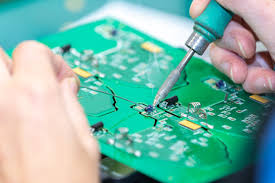
Following procurement, the next crucial function is the actual assembly of the electronic components. This process can include surface-mount technology (SMT), through-hole technology, and mixed technology assemblies, depending on the specific requirements of the product. SMT involves placing electronic components directly onto the surface of printed circuit boards (PCBs), while through-hole technology requires inserting components through pre-drilled holes in the PCB and soldering them in place. Mixed technology assemblies combine both methods to meet complex design needs. The contract manufacturer’s expertise in these assembly techniques ensures precise and efficient construction of electronic devices.
What is the main function of a contract electronic assembly?
Testing and quality assurance are integral functions within contract electronic assembly. After assembly, the products undergo rigorous testing to verify their functionality and performance. This includes in-circuit testing, functional testing, and burn-in testing. In-circuit testing checks for correct placement and connection of components, while functional testing ensures the assembled device operates as intended. Burn-in testing subjects the product to prolonged operational conditions to detect early failures. These testing processes are essential to guarantee the reliability and quality of the final product, aligning with industry standards and customer expectations.
Another significant function of contract electronic assembly is logistics and supply chain management. Once the products are assembled and tested, they need to be packaged and delivered to the OEM or directly to the market. Contract manufacturers often manage this entire logistics process, including inventory management, warehousing, and distribution. Efficient logistics and supply chain management minimize lead times and ensure timely delivery, which is crucial for meeting market demands and maintaining customer satisfaction.
Additionally, contract electronic assembly provides a vital function in terms of scalability and flexibility. In the fast-paced electronics industry, demand can fluctuate rapidly. Contract manufacturers offer the capability to scale production up or down based on the OEM’s needs. This flexibility allows companies to respond quickly to market changes without incurring the high costs associated with maintaining and adjusting their own production facilities.
In summary, the main function of a contract electronic assembly is to offer comprehensive manufacturing services that transform an OEM’s design into a high-quality finished product. This encompasses procurement, assembly, testing, and logistics, all conducted with a high degree of expertise and efficiency. By leveraging the specialized skills and resources of contract manufacturers, OEMs can focus on their core competencies, such as innovation and market development, while ensuring that their products are produced to the highest standards. The role of contract electronic assembly is thus essential in the modern electronics industry, providing the necessary infrastructure and capabilities to meet the complex demands of today’s market.